On Liberty (Über die Freiheit)
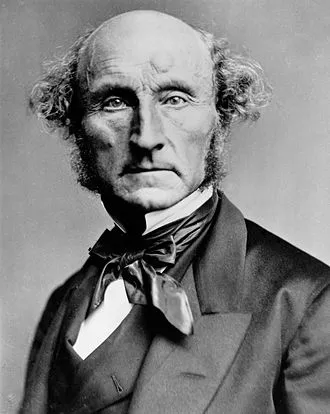
John Stuart Mill
Philosophisches Werk über individuelle Freiheit und die Grenzen staatlichen Handelns. Mill argumentiert für Redefreiheit als essentiell für gesellschaftlichen Fortschritt und illustriert die Grenzen dieser Freiheit mit konkreten Beispielen wie dem des Kornhändlers vor erregtem Volkshaufen.
Deine Stimme wird anonym via IP-Hash gespeichert.
Korrektur vorschlagen
Falsche Zuordnung, schlechte Beschreibung, fehlerhafte Erwähnung? Was sollten wir korrigieren?
Erwähnungen (1)

„Um jetzt wirklich mal Mill zu zitieren, es gibt dieses berühmte Beispiel bei John Stuart Mill, liberaler Philosoph aus dem 19. Jahrhundert, der ganz wichtig ist für den Begriff der Meinungsfreiheit.“
Lars Weisbrod zitiert Mills berühmtes Beispiel über die Grenzen der Meinungsfreiheit mit dem Kornhändler und dem erregten Volkshaufen
Ähnliche Medien
Utilitarianism
John Stuart Mill · 2014
There are few circumstances among those which make up the present condition of human knowledge, more unlike what might have been expected, or more significant of the backward state in which speculation on the most important subjects still lingers, than the little progress which has been made in the decision of the controversy respecting the criterion of right and wrong.
Principles of Political Economy
John Stuart Mill · 1849
The appearance of a treatise like the present, on a subject on which so many works of merit already exist, may be thought to require some explanation. It might perhaps be sufficient to say, that no existing treatise on Political Ecomony contains the latest improvements which have been made in the theory of the subject.
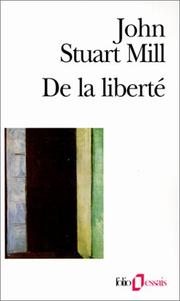
On Liberty
John Stuart Mill · 1869
On Liberty is a philosophical work by 19th century English philosopher John Stuart Mill, first published in 1859. To the Victorian readers of the time it was a radical work, advocating moral and economic freedom of individuals from the state.
Utilitarianism (Der Utilitarismus)
John Stuart Mill · 1863
John Stuart Mill verteidigt in seiner 1861 erschienenen Schrift das Nützlichkeitsprinzip als grundlegendes Kriterium moralischer Handlungen. Eine Handlung ist moralisch richtig, wenn sie das größtmögliche Glück für die größtmögliche Zahl bewirkt. Mills Werk gilt als Klassiker der Ethik.