Faszinierender Faschismus
Susan Sontag
Qu’est-ce que le « Camp » ? Une façon de voir le monde autant qu’une manière d’être, selon Sontag. Cet art de valoriser l’artifice pourrait avoir pris corps pour la première fois dans Les Fourberies de Scapin de Molière, en 1671, autour de la figure de Louis XIV. Mozart, Greta Garbo et sa beauté androgyne, le film King Kong de 1933... tous incarnent la sensibilité Camp – un mélange d’extravagance, de ludisme et de sérieux.
Erwähnungen (1)

„Bis hin zu einer fulminanten Auseinandersetzung mit Leni Riefenstahl in ihrem Essay über den faszinierenden Faschismus, also eine Abrechnung quasi, wenn man so will, mit bestimmter ästhetischen...“
Cammann hebt Sontags Essay über Leni Riefenstahl als besonders knallhart hervor. Sontag weigert sich, Riefenstahl als feministische Ikone zu feiern, und besteht darauf, sie als Nazi-Propagandistin zu sehen – eine Position, die Beckers als Beispiel für Sontags Weigerung sieht, erfolgreiche Frauen unkritisch zu bejubeln.
Ähnliche Medien

Against Interpretation
Susan Sontag
Sontag argumentiert in ihrem Essay von 1964, dass die kritische Praxis der Interpretation Kunstwerke verfälscht, statt sie zu verstehen. Statt zu fragen, was ein Kunstwerk bedeutet oder sagt, sollten Kritiker untersuchen, was es tut – wie es wirkt und sich anfühlt. Sie kritisiert die tradierte Hierarchie zwischen Form und Inhalt, wonach der Inhalt privilegiert ist, während die formalen Qualitäten vernachlässigt werden. Besonders problematisch sieht Sontag jene Interpretationen (marxistisch, freudsch), die vorgeben, unter der Textoberfläche verborgene wahre Bedeutungen auszugraben, dabei den Text aber faktisch verändern, ohne dies zuzugeben. Interpretation dient ihr zufolge oft dazu, unbequeme oder unakzeptable Texte durch Uminterpretation sozial verträglich zu machen.
The Double Standard of Aging
Susan Sontag
Continuing in the tradition of the first edition, Whitbourneís identity process model serves to integrate the physiological with a psychological perspective. The effects of physical changes on the individual are examined in terms of identity, as well as the impact of identity on the interpretation of these changes. The preventive and compensatory steps that indiviuduals can take to offset the aging process are explored as well.
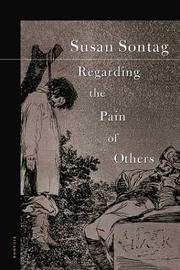
Regarding the Pain of Others
Susan Sontag
Regarding the Pain of Others is Susan Sontag's searing analysis of our numbed response to images of horror. From Goya's Disasters of War to news footage and photographs of the conflicts in Vietnam, Rwanda and Bosnia, pictures have been charged with inspiring dissent, fostering violence or instilling apathy in us, the viewer.

Artikel im New Yorker nach dem 11. September
Susan Sontag
Susan Sontag is Contributor on The New Yorker. Read Susan Sontag's bio and get latest news stories and articles. Connect with users and join the conversation at The New Yorker.